Priced for Doubt
21/9/26 US/Global DeskThe Dot PlotIwo Wojcik US Last week, we saw the first rate hike since July 2023, a 25bp increasing the band from 3.5%-3.75% to 3.75%-4%, and the decision was unanimous, 12-0. The Fed Chair, Kevin Warsh, has said, "Inflation is too high and has been for too long," and that the committee will deliver "price stability." This matters because the Fed can't affect any individual price, like oil or groceries, but it can stop those price changes from spreading, helping avoid downstream second and third-order effects. By introducing this rate hike, the Fed can cool down this "high" inflation and guard against the energy shocks spreading into everything else.
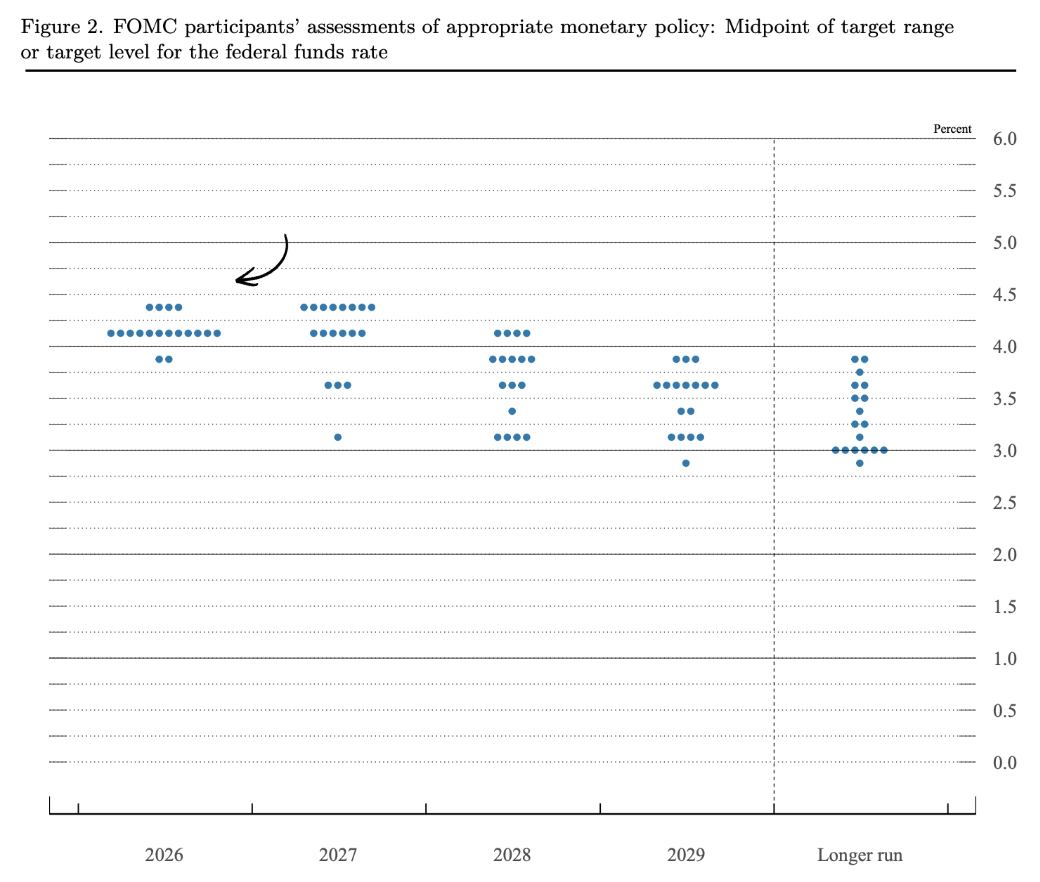
FOMC dot plot, September 2026 — Board of Governors of the Federal Reserve System The contradiction Looking at the 10y yield market it seems like its pricing something else, the 10-year yield closed at 4.995%. The Fed's dot plot reflects that rates will reach a maximum of around 4% this year, stay there in 2027 and begin to creep up to about 3% at the end of the decade. On the average, that's around 3.5%, so compared to the 10-year yield, it's about 150 bp difference. If this Fed's projection were true the market would want the 10-year to be 3.5% to 4%. It's at 4.995%. Reasons why investors believe yields should sit near 5% :
The Fed projections and the price of its own debt don't agree
UAE/Gulf DeskRecovery is a 2027 storyHenry de Salis The big question I posed last week was: how's the Saudi pipeline going to recover? That's now been answered, and it doesn't look good. The damage from last week's Saudi pipeline attack turned out to be worse than first thought, and repairs will take weeks at minimum. Hormuz is still mostly shut, although 'dark' shipments are continuing to increase, as shippers attempt to secretly pass through the strait. The Houthis, emboldened by successes, are continuing to escalate. The Gulf is holding its breath, and that's why oil remained above $100 all throughout last week. 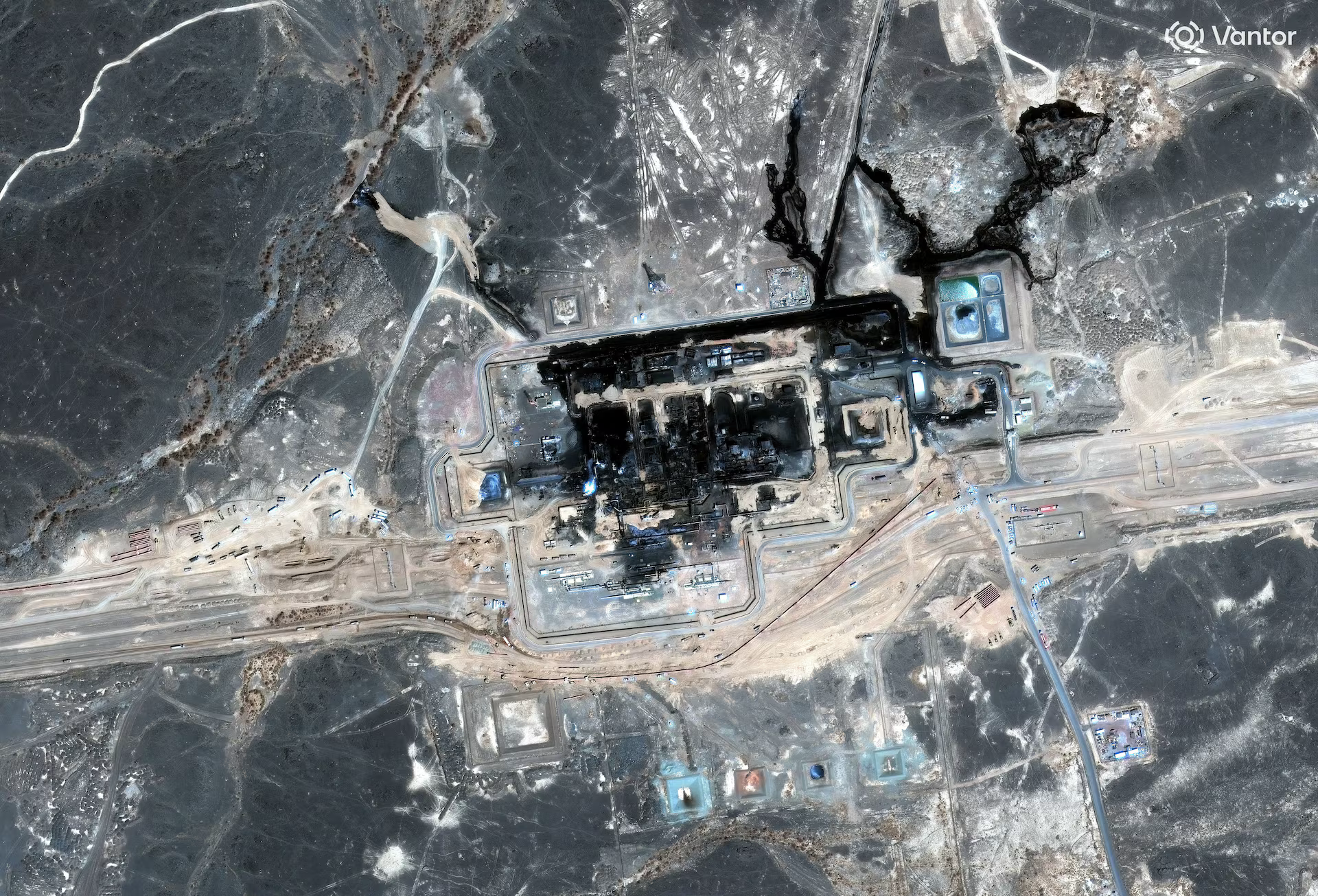
Satellite imagery shows noticeable damage to pipeline facilities in Saudi Arabia, Reuters Money gets tighter The Fed's rate hike sent ripples through the Gulf, as all central banks (excluding Kuwait) raised their benchmark rates accordingly. With one more hike likely this year, that weighs on property, consumer lending, and stock valuations. For the UAE, Saudi, Oman, and Qatar, it was a 25 bps hike, in direct line with the Federal Reserve's move. In plain terms, mortgages, loans, and credit cards in the Gulf are going to get more expensive. Abu Dhabi holds up better than Dubai The oil-rich emirate has stood to gain from high oil prices and the Fujairah pipeline, bypassing Hormuz. Abu Dhabi markets were seen higher broadly throughout the week, as Dubai's market softened as tourism, aviation, and property drag. The war's in the driver's seat Looking ahead, a diplomatic breakthrough in New York on Tuesday at the UN General Assembly, where Hormuz re-opens, Western airlines return, and Dubai recovers, would be an enormous positive development for Gulf markets. On the other hand, continued escalation from the Houthis, or further Iraqi strikes, would invite more Fed hikes, and keep the pressure on Gulf economies. The UAE and Saudi are adapting through their in-land pipelines, but Kuwait, Qatar, and Bahrain have no alternative export route. Recovery for 2027? With the war dragging on, the deadline has now passed in order for a normalisation in the Gulf's energy industry to finish by year's end. ADNOC's CEO said it would take at least four months to ramp up oil flows up to 80% of normal, with full normalisation not until the first or second quarter of 2027. Given Trump's own comments, and what we've seen in the last six months, it's pretty clear the war won't be ending in the immediate future. For now, Gulf economies are going to keep trying to adapt, building new export routes, and trying to navigate the persistent drag from trade disruptions to elevated borrowing costs. Read online at twodesksnewsletter.com This is not financial advice. Read our disclaimer.
Henry de Salis 
Copyright 2026 Two Desks. All Rights Reserved. |